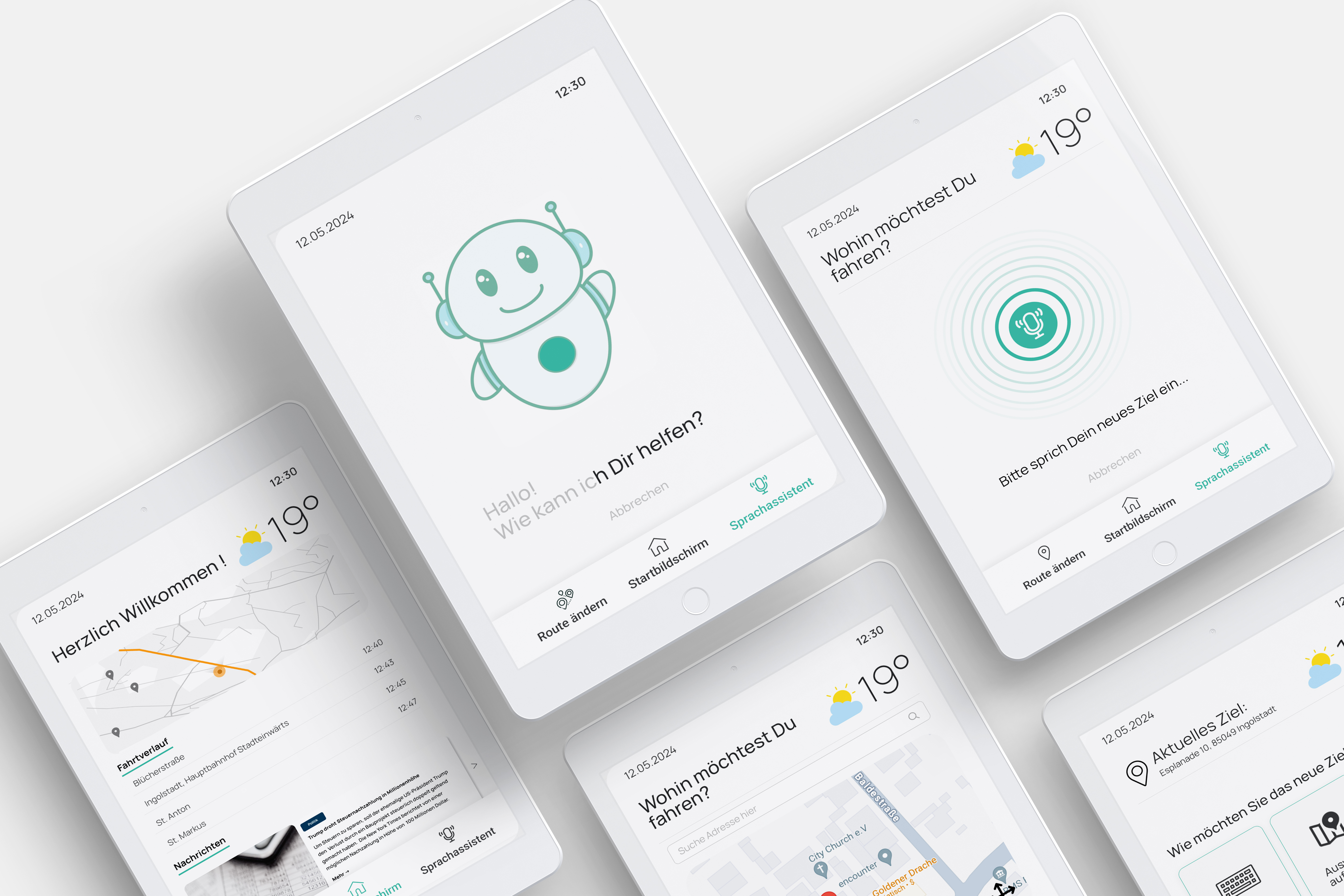
“How can modern technology help people with dementia live a dignified life?” This question was the guiding prompt presented to us by Professor Ingrid Stahl. In this course project for Design of Human-Machine Interfaces, my team developed a user-centered solution and a thoughtful UI design based on thorough UX research.
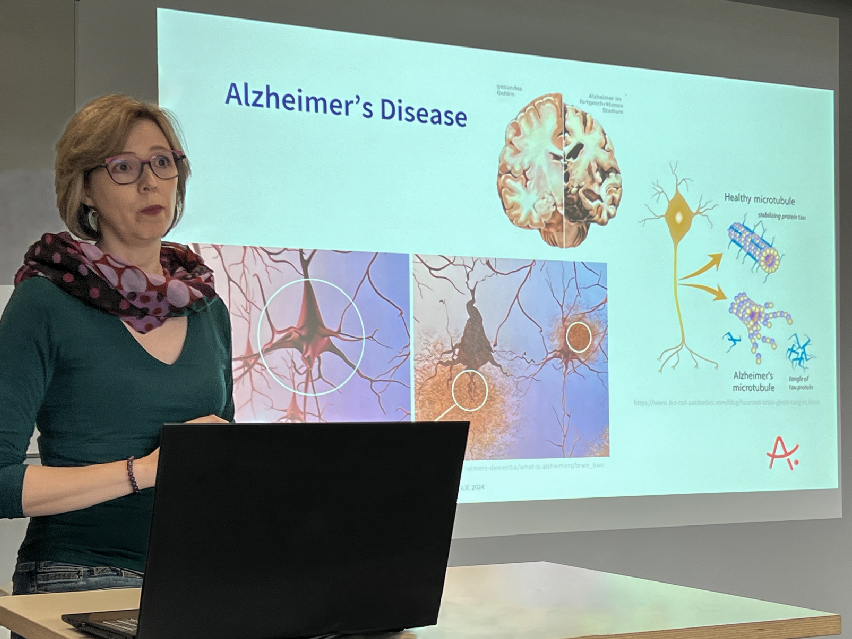
This project emerged from a collaboration between four universities around the world, including the Queensland University of Technology in Australia, York University in Canada, and Technische Hochschule Ingolstadt in Germany. It was grounded in Dr. Shital Desai’s research on how people with dementia perceive memory cues. Our understanding of the topic was further deepened through a guest lecture by Anelise Golin-Stampfer of the Alzheimer Society in Ingolstadt.
The assignment was part of the Global Design Studio initiative, an international program that places strong emphasis on creating design solutions with meaningful social impact.
The project is also showcased on the initiative’s website: Link to Project by Global Design Studio
To better understand the needs of people living with dementia, we spoke with domain experts, including nursing scientists and directors of care organizations. Their insights emphasized how essential emotional connection and ongoing family involvement are. Because of strict ethical requirements, we focused our study on expert perspectives and personal experience within the team. This allowed us to approach the topic responsibly and to incorporate our own experience which gave us a closer sense of the emotional and practical realities surrounding dementia care.
Building on these insights, we developed a collaborative smart device. Rabbot has a friendly appearance and soft fur that invites gentle touch and stimulates C-tactile neurons, helping to calm and soothe. It can display photos and gentle prompts on a screen embedded in its chest. Relatives can plan activities or reminders through a companion app, and the option to send messages or photos to Rabbot helps maintain a sense of connection even when they can’t be there in person.

Our design process began with quick sketches that gradually took shape as an interactive Figma wireframe. The app offers an intuitive interface, flexible notification options, and settings that can be adapted for hearing or visual impairments. It also includes simple onboarding flows, a medication plan, emergency contacts, and a photo library that organizes personal images by year. Photos often provide an important way to stay connected to different phases of a patient’s life, and familiar, pleasant images can offer a strong sense of comfort even when memories become harder to access.
During our market analysis, we noticed that many medical apps appear cold and clinical. Since the emotional component is our unique selling point, the interface should to communicate warmth and reassurance. We chose a calming color palette of soft green and gentle pink, paired with an organic typeface that reinforces a sense of comfort and homeliness.


To make the concept tangible, we equipped a plush rabbit with an iPad Mini. We chose a plush animal because several of our interview partners described the strong emotional bond people with dementia maintain with their pets, even as the disease progresses. Research also shows that touching fur can reduce pain perception and elevate mood https://www.nature.com/articles/s41598-020-66982-y
Since agitation and restlessness are common in dementia, integrating a soft, tactile stimulus seemed both appropriate and effective. Combining a digital product with this kind of basic sensory stimulus makes it more likely to be accepted in daily life and ultimately improves the overall user experience.
We also produced a short video that showcased Rabbot in action. By blending filmed material with animated app sequences, we illustrated a realistic use case and gave potential users and stakeholders a clear impression of the product.
Within our team, I took the lead on research, paper prototyping, and wireframing, and later became responsible for the visual UI design in Figma. I also coordinated organizational tasks, ensured that we stayed on schedule, and created several animations for the product video using After Effects. While working on the project I developed a genuine passion for designing prototypes that support societal well-being. I vividly remember bringing Rabbot to a nursing home and even as a simple prototype, it made patients visibly brighten up. Experiencing this strengthend my desire to create technology that has real human impact.